Hacker101 Encrypted Pastebin |verified| -
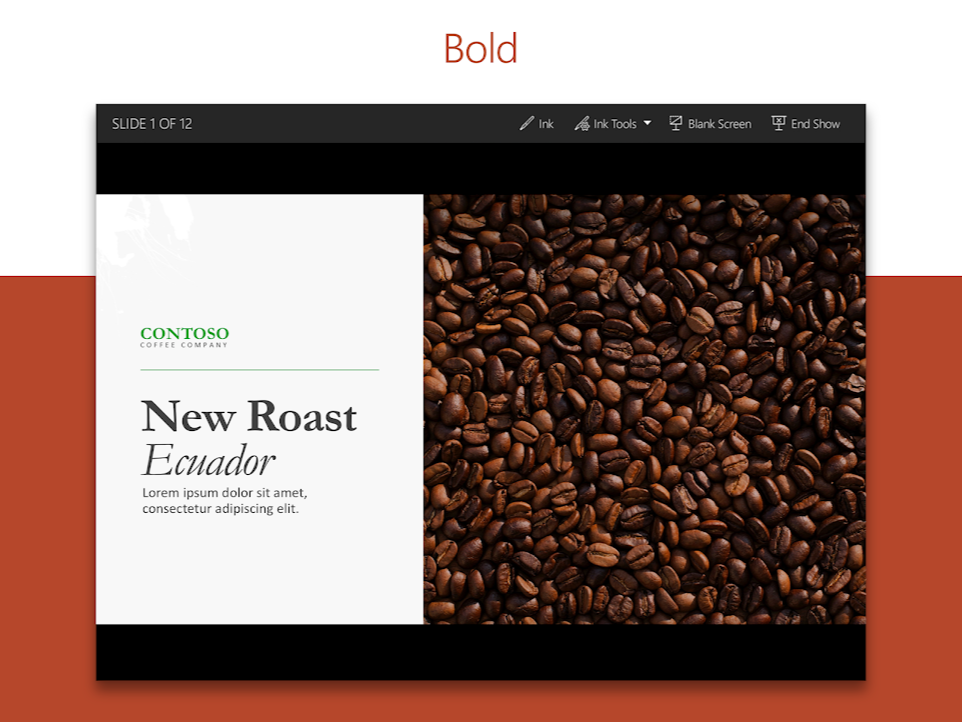
Get free PowerPoint access as well as free templates and resources to get you started. Plus, learn about a new and powerful PPT alternative you’ll want to use.
 Dominika Krukowska


Get free PowerPoint access as well as free templates and resources to get you started. Plus, learn about a new and powerful PPT alternative you’ll want to use.
Short answer
: The user can then share the encrypted text and the key (or a hashed version of the key for verification without exposing the key itself) through your service.
If you are currently trying to solve it, here are the key concepts you'll need to master: Automation is Key
The application uses . In CBC mode, each block of plaintext is XORed with the previous ciphertext block before being encrypted.
When testing the application, users often notice that tampering with the encrypted cookie or URL parameters causes the application to behave differently. Specifically, it might throw a when the padding is invalid, but behave differently (perhaps a 404 or a different 500 error) when the padding is valid but the decryption is wrong. hacker101 encrypted pastebin
# Output URL: https://secdrop.example.com/view#x7k9... Key: [Hidden - transmitted separately]
AES is a block cipher that operates on 16-byte blocks. If the data being encrypted is not a multiple of 16 bytes, padding (like PKCS#7) is added. Upon decryption, the application checks this padding. If the padding is incorrect, an error is triggered. Why the Challenge is Vulnerable
The "Encrypted Pastebin" challenge in the Hacker101 CTF is widely considered a "good feature" because it : The user can then share the encrypted
Hacker101 Encrypted Pastebin challenge is widely considered one of the most difficult and rewarding levels in the CTF series. It moves beyond simple web vulnerabilities like XSS and dives deep into cryptographic flaws —specifically those found in AES-CBC encryption. The Vulnerability Breakdown
But in the encrypted pastebin, the simpler path is:
: While you can perform this manually, tools like PadBuster are standard for this challenge. When testing the application, users often notice that
The Hacker101 encrypted pastebin teaches you to think like a cryptanalyst: Encryption is not authentication. Without integrity, confidentiality falls apart.
The goal for Flag 2 is to send a crafted JSON payload to the server, such as "id": "1" , and have it successfully decrypt. This is possible through a .
parameter. The server takes this string, decrypts it, and displays the content back to you. The Vulnerability: It’s All in the Padding
Stop losing opportunities to ineffective presentations.
Your new amazing deck is one click away!