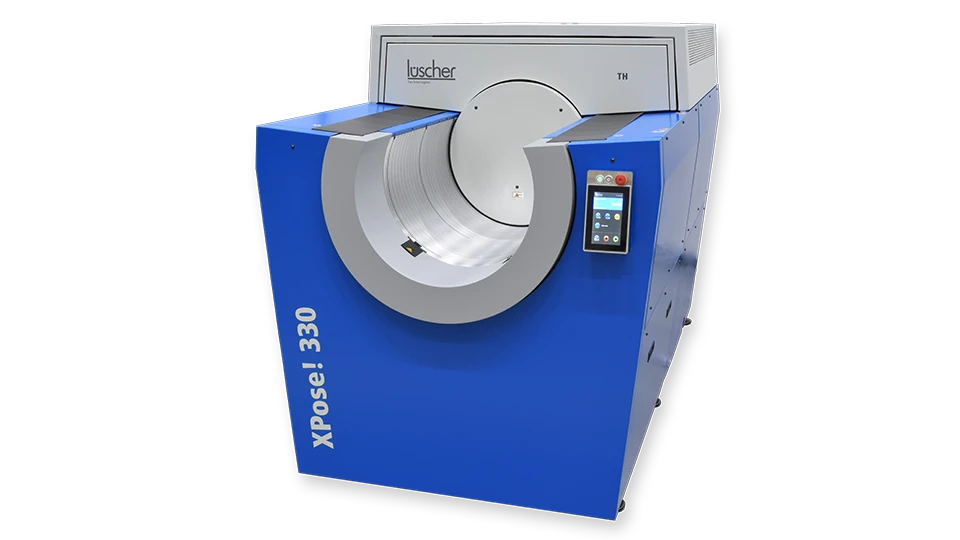
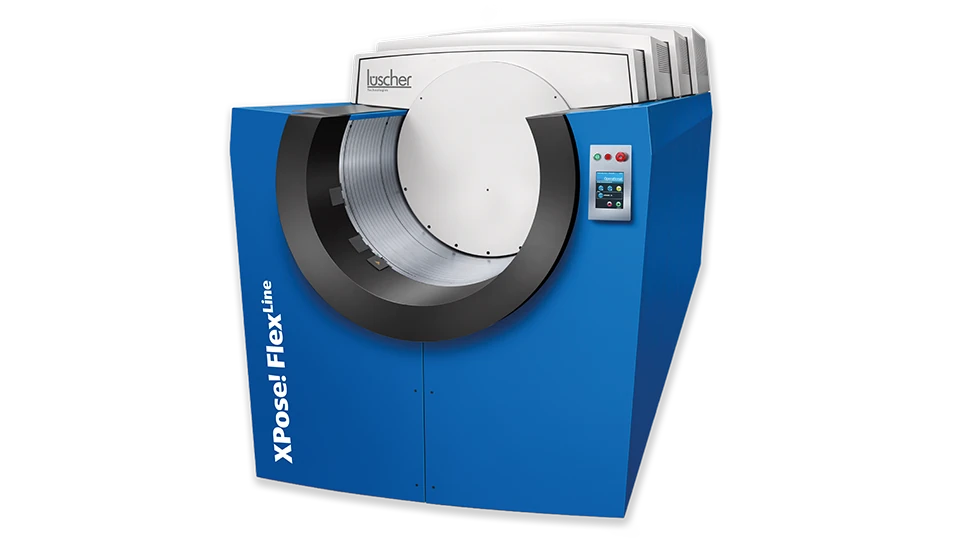
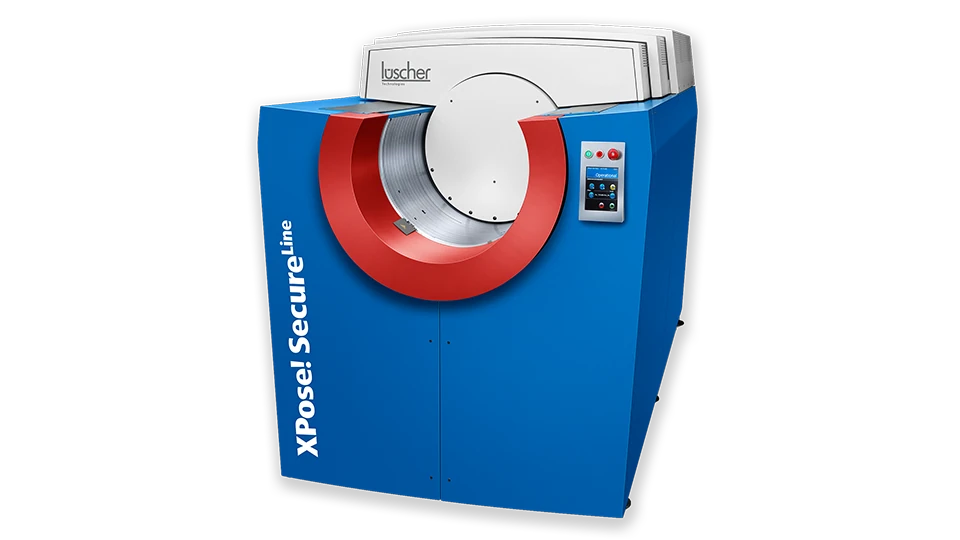
Main benefits
- Professional identification and cutting of finished Flexo plates
- Cost savings and avoidance of errors
- Added-value of bevel cut
- Accuracy and simplification of plate mounting
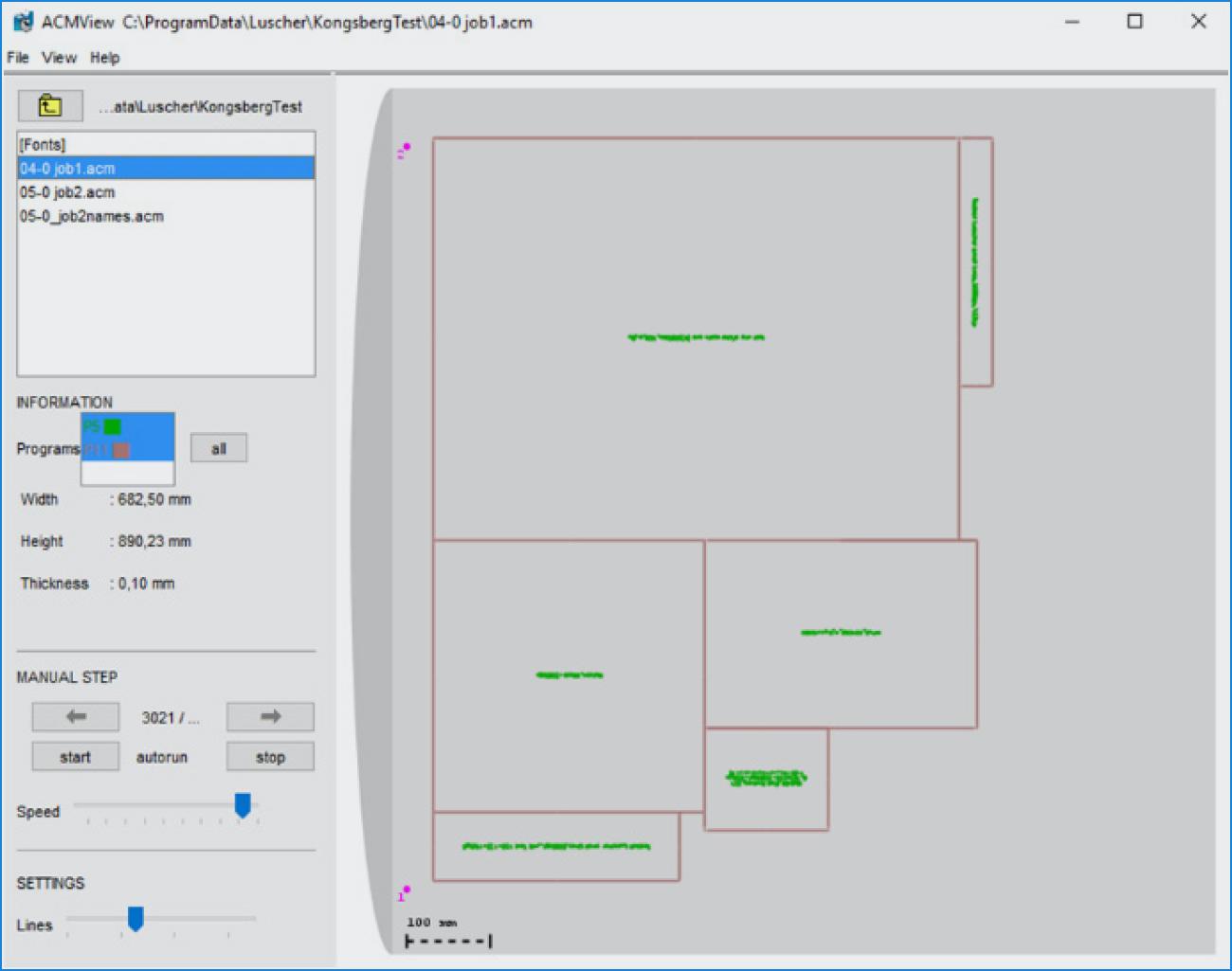
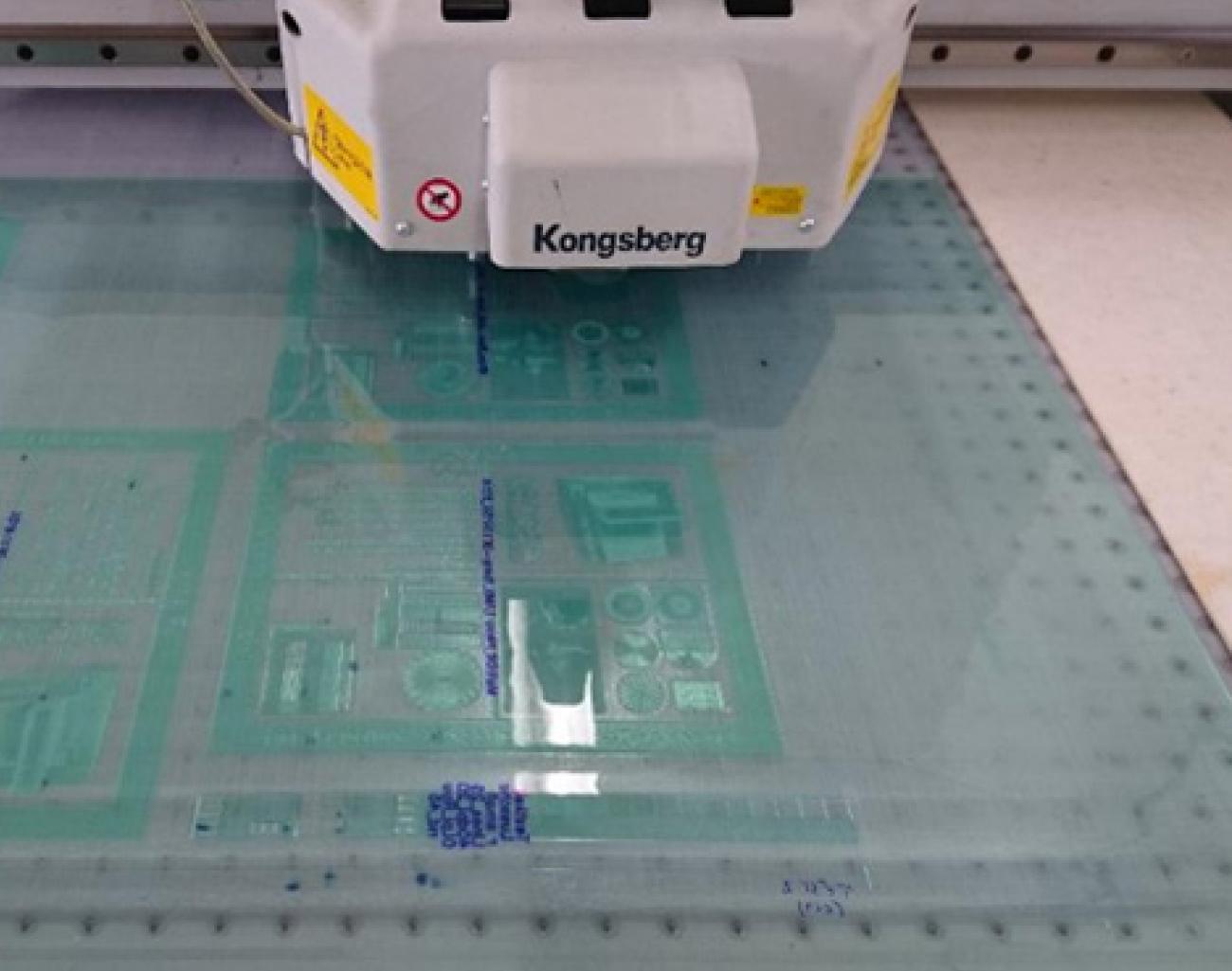

For automatic cutting of Flexo plates
Open-source firmware for these AVR-based component testers is largely based on the pioneering work of Karl-Heinz Kübbeler and Markus Reschke. They have continuously developed and documented the software over the years. Their firmware versions are typically categorized as:
make clean make
Whether you are a repair technician, an electronics hobbyist, or a vintage radio restorer, spending an afternoon updating your LCR-T7 to the latest open-source firmware is one of the highest-ROI upgrades you can make.
avrdude -c usbasp -p m328p -U lfuse:w:0xe2:m -U hfuse:w:0xd9:m -U efuse:w:0xff:m lcr t7 firmware
Most authentic or older models use the , ATmega328P , or ATmega644 .
: Some units suffer from "firmware lock-ups," where the device might get stuck in Zener mode or fail to power on after measuring a charged capacitor (always discharge capacitors first!). Customizing & Updating Firmware
The is a multi‑function handheld tester primarily designed for measuring inductance (L), capacitance (C), and resistance (R). It also includes transistor, diode, MOSFET, and battery testing capabilities. Like most embedded test instruments, its functionality, accuracy, and user interface depend heavily on the firmware . avrdude -c usbasp -p m328p -U lfuse:w:0xe2:m -U
Check your wiring. Ensure the T7 is powered on or that the USBASP is providing 5V to the board.
Additionally, keep your firmware updated by watching the GitHub repositories. The community adds support for new displays, fixes rare bugs (e.g., high ESR errors on polymer caps), and improves inductance linearity.
A key feature is its simple one-button operation and internal lithium battery, making it a convenient portable tool. It also includes transistor, diode, MOSFET, and battery
Some manufacturers lock the chips. You may need to perform a full chip erase before you can write new firmware. As mentioned, if your unit uses the
This usually means the firmware compiled for a different display controller (e.g., ILI9341 instead of ST7735), or your SPI display pin configuration in the firmware settings does not match your physical PCB layout. You will need to recompile or find a hex file tailored to your exact board revision.